Understanding DMT and Its Uses
What is DMT?
N,N-Dimethyltryptamine (DMT) is a powerful psychedelic compound found naturally in various plants and animals. It's renowned for inducing intense visual and auditory experiences, often described as profound and life-altering. Scientifically, it is categorized as a tryptamine, which is a class of compounds that share similar structural characteristics with neurotransmitters like serotonin and melatonin.
Common Applications of DMT
DMT has garnered attention not just for its hallucinogenic properties but also for its potential therapeutic uses. These applications are being explored in fields such as psychology, helping with conditions such as depression and anxiety. Specifically, it's thought to help reset neural pathways, offering new perspectives on entrenched mental health issues.
The Role of DMT in Various Cultures
Historically, DMT has been utilized in religious and shamanistic practices, particularly in South American cultures. Indigenous peoples have used it in the form of ayahuasca, a traditional brew made from plants containing DMT, for centuries. This sacred use emphasizes its role in leading participants through spiritual journeys, often aimed at healing and personal insight.
The Legality of DMT
Current Legal Status in the US
The legal status of DMT in the United States is complex. Classified as a Schedule I substance under the Controlled Substances Act, it is illegal to possess, distribute, or use. However, there are exceptions for religious purposes, particularly concerning ayahuasca, which has been protected in certain religious contexts.
International Perspectives on DMT Legality
Worldwide, DMT's legal status varies significantly. Some countries have decriminalized its use, while others maintain strict laws against it. Understanding these differences is crucial for those considering the substance for therapeutic or recreational use, highlighting the importance of local laws before procurement.
Possible Legal Risks When Purchasing DMT
Purchasing DMT comes with legal risks, including potential arrest, fines, or criminal charges. Awareness of local laws, the source of procurement, and associated risks are imperative before seeking to buy DMT, particularly online where scammers may operate under the guise of legitimate businesses.
Where to Buy DMT Legally
Online vs. Local Sources
For those seeking to understand where to buy dmt, options primarily divide into online and local vendors. Online vendors often offer a wider selection but come with a higher risk of fraud and legal repercussions compared to local sources, which can provide a more regulated environment but may not carry the same variety.
Evaluating the Credibility of Suppliers
When vetting potential suppliers, credibility checks are crucial. Look for user reviews, third-party lab test results, and years of operation in the market. Genuine suppliers will provide detailed product information and transparency regarding their sourcing and extraction processes.
What to Look for in a Vendor
Key factors to consider when selecting a vendor include: product purity, ethical sourcing, and customer service policies. Sellers should readily provide information about their testing processes, ensuring the DMT is free from harmful contaminants. Furthermore, responsive customer service enhances trustworthiness.
Ensuring Quality When Buying DMT
Identifying High-Quality Products
High-quality DMT should be pure, with minimal fillers or additives. It often comes in a crystalline form or as part of a plant extract. Learning how to differentiate between high and low-quality products is essential for user safety and effectiveness, so seeking suppliers that provide third-party testing can minimize the risk of impurities.
Lab Testing and Certifications
Lab testing ensures the product's safety and potency. Check for certificates of analysis (COA) that detail the findings of independent labs, including identification of active ingredients and absence of contaminants. A reputable vendor will openly supply this information, establishing their commitment to quality.
Understanding Product Packaging and Information
The packaging should clearly label all ingredients, dosage recommendations, and warnings. Avoid products that lack detailed labeling, as obscured information often indicates low standards or unwillingness to provide consumers with critical safety knowledge.
Frequently Asked Questions About DMT
What is the typical cost of DMT?
The cost of DMT can vary widely based on purity, supplier, and region. Generally, prices range from $50 to $150 per gram. Be wary of unusually low prices, as this could indicate inferior quality or adulteration.
Is DMT safe to use?
DMT is generally considered safe for healthy individuals when used in controlled environments. Potential risks include anxiety, paranoia, and intense psychological experiences. Users should exercise caution and preferably have an experienced guide during use.
Can DMT be shipped to my location?
Shipping DMT is illegal in most jurisdictions due to its Schedule I classification. Buyers should investigate local laws thoroughly before attempting to order DMT online to avoid legal consequences.
How does DMT affect the mind?
DMT affects the mind by inducing intense visual and auditory hallucinations, often resulting in altered perceptions of reality. Users frequently report experiencing profound spiritual insights, but reactions can vary significantly among individuals.
Are there other ways to consume DMT?
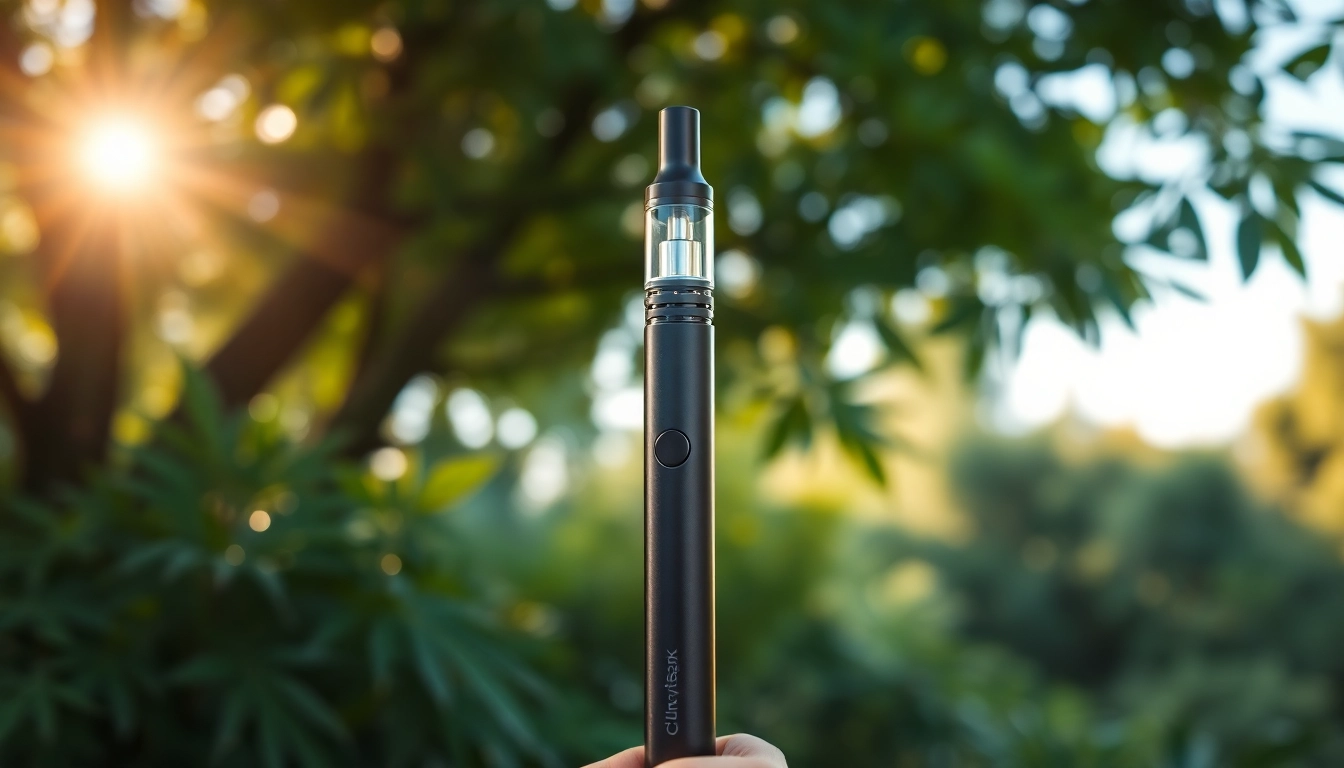
DMT can be consumed in various forms, including smoking, vaporizing, or as part of an ayahuasca brew. Each method affects the onset and duration of the experience differently, tailored to user preference and desired intensity.