
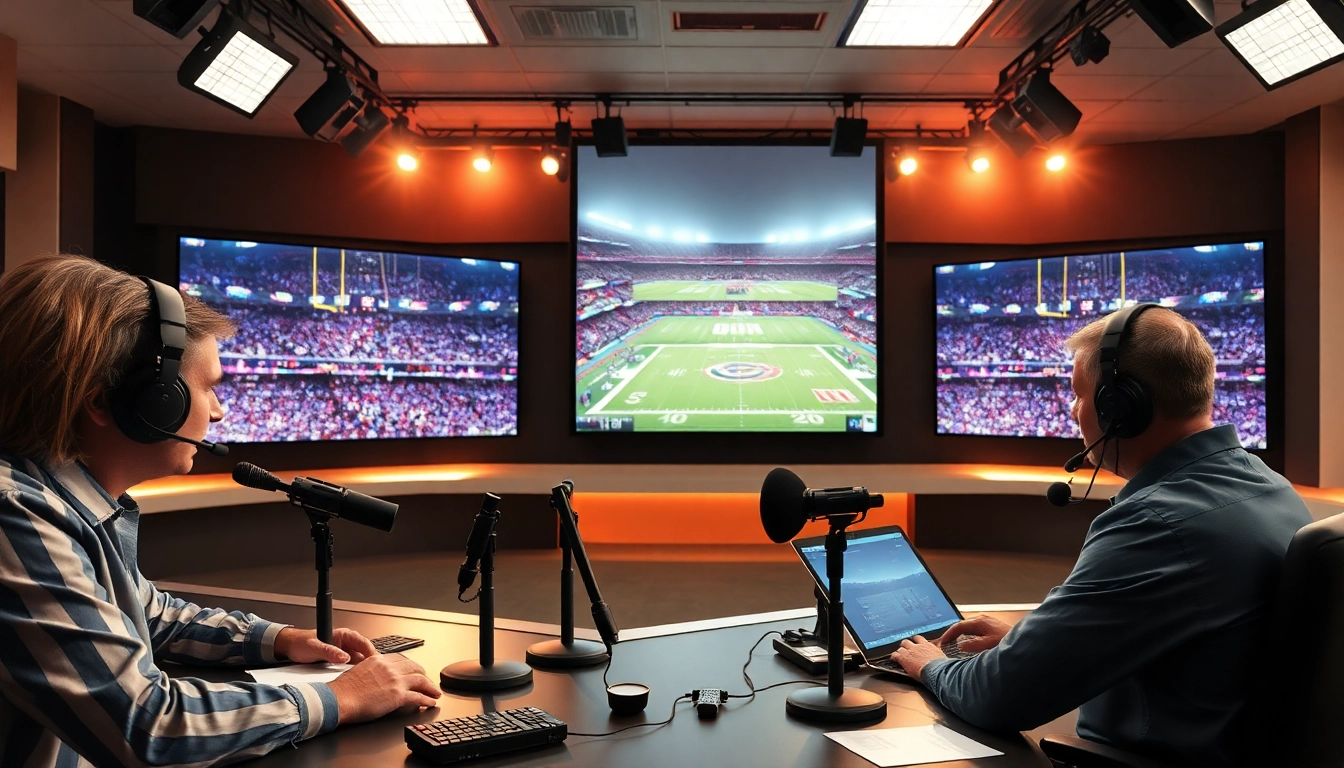
Understanding Sports Broadcasting
What is Sports Broadcasting?
Sports broadcasting is the live transmission of sports events through a variety of platforms, including traditional media like television and radio, as well as digital platforms such as live streaming services and social media networks. This multifaceted process encompasses the presentation of athletic competitions to viewers around the world, enhancing the experience for sports fans and creating opportunities for advertisers and sponsors. Whether it’s a local game or an international championship, the goal is to engage audiences and elevate the excitement surrounding the event. For insights into the latest trends, visit Sports Broadcasting.
The Evolution of Sports Broadcasting
The journey of sports broadcasting has been remarkable. From the early days of radio broadcasts in the 1920s to the high-definition television of today, the field has evolved significantly. The first live radio sports broadcasts connected fans with their favorite teams, allowing them to listen to the games as they unfolded. However, the introduction of television in the mid-20th century revolutionized the experience, placing viewers in the front row from the comfort of their homes.
The advent of cable television expanded the scope of sports broadcasting, adding dedicated sports channels and syndicating content worldwide. Today, with streaming services gaining popularity, the landscape has transformed once again, allowing for on-demand access to games and highlights, making sports more accessible than ever before.
Key Terminology in Sports Broadcasting
To navigate the world of sports broadcasting effectively, it’s essential to understand the terminology involved. Here are some critical terms:
- Play-by-Play: This refers to the real-time commentary delivered during a game, describing the action as it happens.
- Color Commentary: This is the additional analysis provided by a commentator during the game, offering strategic insights, player backgrounds, and other contextual information.
- Broadcast Rights: These are the permissions granted to networks to air specific sporting events. Negotiating these rights often shapes the landscape of sports broadcasting.
- Engagement Metrics: These metrics include audience ratings, viewer interactions, and social media buzz, which gauge the effectiveness of a broadcast.
Critical Technologies in Sports Broadcasting
Overview of Broadcasting Equipment
The backbone of sports broadcasting is its equipment, which has evolved tremendously over the decades. Key components include:
- Cameras: Multi-angle camera setups enhance viewer experience, allowing audiences to see the action from different perspectives.
- Microphones: High-quality microphones capture the sounds of the game, including commentary and ambient noise, immersing viewers in the event.
- Mixing Consoles: These devices manage audio levels, ensuring clarity between commentary and game sounds.
- Broadcast Trucks: Mobile units equipped with all necessary technology to deliver live content efficiently from remote locations.
Emerging Technologies Impacting Sports Broadcasting
As technology continues to advance, so does sports broadcasting. Some of the most impactful emerging technologies include:
- Virtual Reality (VR): VR allows fans to experience games as if they were at the venue, providing immersive and interactive viewing experiences.
- Augmented Reality (AR): Integrating AR during broadcasts enhances viewer engagement by overlaying graphics and statistics onto the live action.
- Artificial Intelligence (AI): AI analyzes viewer data to personalize content recommendations and improve advertising targeting, thereby enhancing overall engagement.
Using Digital Platforms for Sports Broadcasting
The rise of digital platforms has transformed how sports are consumed. Social media, streaming services, and mobile apps are now integral to the sports broadcasting ecosystem. Benefits of leveraging these platforms include:
- Access Anywhere: Fans can watch events live or on-demand from any location, enhancing accessibility.
- Interactive Features: Digital platforms allow for interactive elements like live polls and chats, fostering community and engagement.
- Audience Insights: Data from digital platforms provides valuable insights into viewer preferences, allowing broadcasters to tailor content accordingly.
Creating Compelling Sports Content
Developing Engaging Sports Commentary
Successful sports commentary plays a critical role in the viewing experience. Effective commentators strike a balance between providing detailed analysis and keeping the excitement alive. Here are some tips for developing engaging sports commentary:
- Know Your Audience: Tailor your language and analysis to suit the knowledge level and interests of your viewers.
- Be Authentic: Authenticity resonates with audiences. Share personal stories or experiences related to the sport to create a connection.
- Stay Informed: Keep up-to-date with team rosters, stats, and current events to provide accurate and timely insights.
Graphics and Visuals in Sports Broadcasting
Graphics and visuals are essential components of sports broadcasting that enhance storytelling. Techniques include:
- Infographics: Utilizing graphics to explain rules, stats, and key player information can make complex data more digestible.
- Replay Analysis: Utilizing graphics during replay segments to highlight key moments engages viewers and provides additional context.
- On-Screen Graphics: Real-time statistics, player bios, and game clocks keep viewers informed and engaged throughout the broadcast.
The Role of Social Media in Sports Broadcasting
Social media has transformed sports broadcasting by allowing for real-time interaction and broader audience reach. Key benefits include:
- Real-Time Updates: Social media platforms serve as a medium for live updates, giving fans instant results and commentary.
- Fan Engagement: Engaging with fans through social media creates a sense of community, encouraging them to follow broadcasts and participate in discussions.
- Content Sharing: Clips and highlights shared on social media elevate audience interest and drive traffic to the main broadcast.
Audience Engagement Strategies
Understanding Viewer Preferences
Identifying and understanding viewer preferences is essential for creating targeted content that resonates. Factors to consider include:
- Demographics: Analyze age, gender, and geographic location to tailor content that appeals to specific audience segments.
- Content Consumption Habits: Recognize whether viewers prefer live broadcasts, highlights, or interactive content to adjust your strategies accordingly.
- Social Media Behavior: Monitor how viewers engage with content on social media to adapt to changing preferences and trends.
Interactivity in Sports Broadcasting
Interactivity increases viewer engagement and enhances the overall experience. Techniques include:
- Live Polls and Q&A: Encourage viewer participation by soliciting opinions or answering questions during broadcasts.
- Fantasy Integrations: Tie broadcasts to fantasy sports leagues by integrating fantasy-related statistics and updates on-screen.
- Augmented Fan Experiences: Utilize technology to create interactive experiences and use gamification strategies to foster viewer participation.
Case Studies of Effective Audience Engagement
Successful engagement strategies can be observed from various broadcasts. A case study examining a major sports event might highlight the following elements:
- Effective Use of Social Media: Engaging hashtags and interactive posts can drive audience participation before, during, and after events.
- In-Game Enhancements: Real-time stats and unique graphics during gameplay attract and hold viewers’ attention.
- Feedback Mechanisms: Employing surveys or direct feedback channels allows broadcasters to understand what resonates with audiences, further refining strategies.
Measuring Success in Sports Broadcasting
Key Performance Indicators (KPIs)
To evaluate the effectiveness of sports broadcasts, it’s crucial to establish and track specific key performance indicators (KPIs), including:
- Viewer Ratings: The number of viewers tuning in during a broadcast provides fundamental insights into audience engagement.
- Audience Retention: Analyzing how many viewers stay for the duration of a broadcast versus those who drop off informs content strategies.
- Social Media Engagement: Social interactions, such as shares, retweets, and comments, reflect audience enthusiasm and reach.
- Revenue Metrics: Revenue generated from advertisements, subscriptions, and sponsorships helps gauge the financial success of broadcasts.
Analyzing Viewer Metrics
Once KPIs are established, analyzing them yields insights that can improve future broadcasts. Important aspects to consider include:
- Audience Segmentation: Analyze demographics to understand which segments performed best, refining targeting efforts.
- Time of Engagement: Explore peak times for viewership and tailor broadcast schedules accordingly.
- Content Performance: Review which segments of broadcasts (e.g., player interviews, gameplay analysis) engage viewers most effectively.
Continuous Improvement Strategies for Sports Broadcasting
For sustained success, sports broadcasters should implement continuous improvement strategies. These might include:
- Feedback Loops: Collect viewer feedback regularly to stay responsive to audience demands.
- Technological Updates: Stay abreast of new technologies that enhance viewer experiences and streamline broadcasting processes.
- Training and Development: Invest in talent and equipment training to maintain high broadcast quality and innovative storytelling techniques.
FAQs
What is Sports Broadcasting?
Sports broadcasting refers to the live transmission of sports events on various platforms, including television, radio, and online streaming.
How has technology changed Sports Broadcasting?
Advancements like high-definition broadcasts, streaming services, and social media integration have transformed audience engagement and content accessibility.
What types of content can be featured in Sports Broadcasting?
Content may include live commentary, highlights, interviews, analysis, and even behind-the-scenes footage to enhance viewer experience.
How do I engage audiences during broadcasts?
Utilizing interactive elements like polls, social media integration, and real-time statistics helps foster viewer participation and keeps audiences engaged.
What metrics are important for measuring broadcasting success?
Key metrics include viewer ratings, audience retention, social media interactions, and revenue generated through advertising or subscriptions.